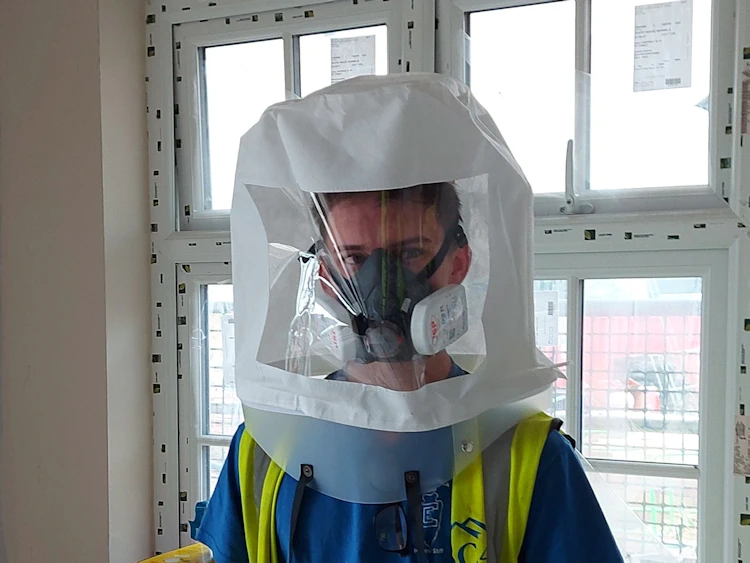
Breathe Easy, Work Safe: The RPE Every Site Worker Needs
Wearing the correct respiratory protective equipment (RPE) on site is not a “nice to have” – it is the difference between a long, healthy life and preventable, life‑limiting disease. For responsible contractors, allowing for the right RPE and controls in every tender is part of doing business ethically, even when others cut corners to win work.
Why correct RPE matters
- Construction tasks like cutting, grinding, drilling and sanding create fine dusts and fumes that can cause asthma, COPD and lung cancer when breathed in over time.
- Many of these airborne hazards are invisible and odourless, so workers can be at serious risk even when “the air looks clear”.
- RPE only protects if it is adequate for the hazard and worn properly; incorrect type or poor fit can leave workers effectively unprotected.
At the end of a shift, the real measure of success is simple: everyone goes home safe, with their long‑term health intact. Choosing and enforcing the right RPE is a direct investment in that outcome.
The hidden cost of cutting corners
- Failing to provide suitable RPE breaches UK health and safety law and PPE regulations, exposing clients and contractors to enforcement action and claims.
- Long‑latency diseases linked to dusts such as silica and asbestos can appear years after exposure, with devastating personal and financial consequences.
- “Cheap” bids that ignore proper controls shift the true cost onto workers’ health and the wider healthcare system, rather than into the tender price where it belongs.
When one contractor omits or downgrades RPE, it creates an uneven playing field for those who price jobs honestly and build full compliance into their methodology. This rewards unsafe practice and pressures others to compromise just to stay competitive.
Levelling the playing field in tenders
- Clients and principal contractors can require method statements and risk assessments that clearly show how RPE is selected, face‑fit tested, maintained and supervised.
- Pre‑qualification and framework criteria can score bids on safety leadership and evidence of robust RPE programmes, not just on lowest price.
- Transparent standards across the supply chain mean contractors who do the right thing are not commercially penalised for investing in their people’s health.
Using industry guidance such as HSE’s RPE practical guides helps set a common benchmark for what “good” looks like on every project. This shifts the conversation from “Can we get away without it?” to “How do we design protection in from day one?”.
Building a culture where RPE is non‑negotiable
- Workers are far more likely to wear RPE correctly when they are trained, involved in selection, and understand the risks it controls.
- Proper fit testing, comfort and inclusivity (masks that fit different faces, including women and diverse ethnic groups) are essential for real‑world protection.
- Supervisors and leaders must model the behaviour they expect: no exceptions, no “just this once”, and full support for anyone who speaks up about unsafe conditions.
This is about respect as much as regulation: every person on site is someone’s family, and they deserve to breathe safely while earning a living. When a business chooses correct RPE even if it makes tenders harder to win, it is choosing to value lives over margins – and that is the kind of supply chain people want to be part of.
Click on the categories below to find out more about:
- All Blog Articles from 2025
- Health and Safety in Construction
- Physical Health in Construction
- Toolbox Talks in Construction
- Carpentry
- Timberframe
- Second Fix Carpentry
- First Fix Carpentry


Connect with Us
Share this Page
More Posts
Recent Posts
- SC4 Carpenters Making Swift Progress on 281 New Homes in Lakeside Theale Development
- SC4 Supports Lovell Partnerships Charity Football Tournament
- Breathe Easy, Work Safe: The RPE Every Site Worker Needs
- From Site to Strategy: Simon Mead Promoted to Associate Director at SC4
- SC4 named Cala Contractor of the Month, October 2025
- Why is Neurodiversity so important in Construction?